Discover five surprising facts about Southbourne, from the failed pig farm beneath its sought-after streets to the Victorian pier once stretching from its beach. Uncover Southbourne’s connection to aviation pioneer Charles Rolls, meet the eccentric countess who lived at Stourfield House and learn why the historic Fisherman’s Walk Cliff Lift is officially classed as a railway.
18th July 2026
Southbourne History | Local Stories and Hidden Facts | Dorset Lifestyle
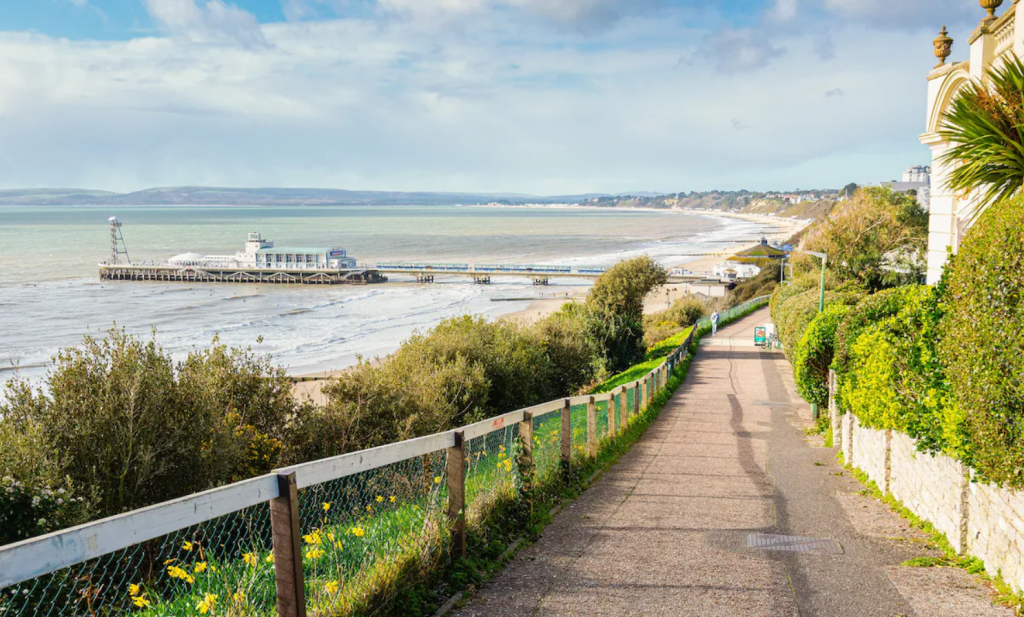
Southbourne may be known for its sandy beach, independent businesses and relaxed coastal atmosphere, but its past is far more surprising. From a Victorian pier destroyed by storms to a pioneering aviation event that ended in tragedy, this fashionable Bournemouth neighbourhood has accumulated some remarkable stories. We uncover five things you probably didn’t know about Southbourne, and the traces of its history that can still be found today.
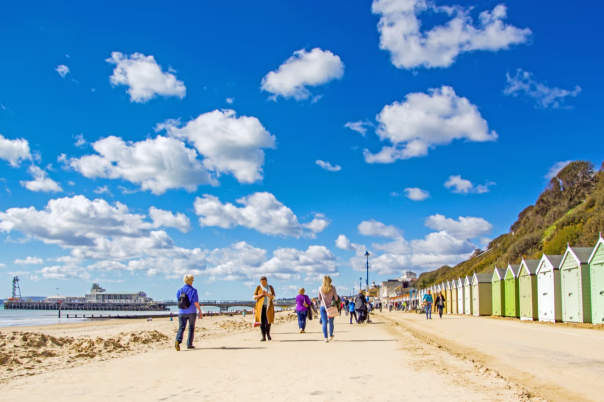
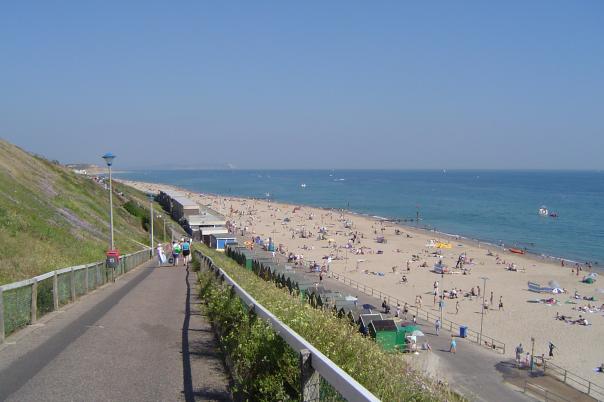
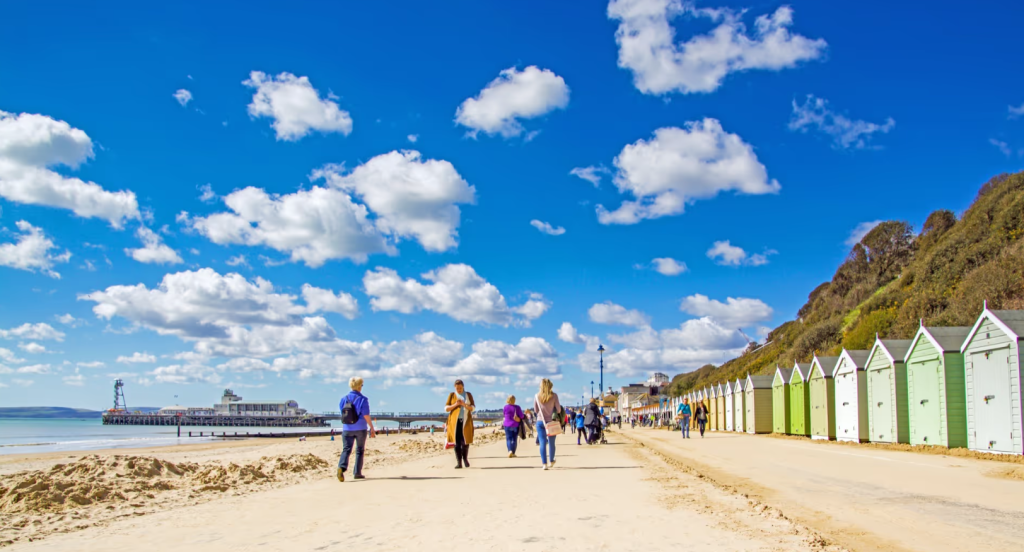
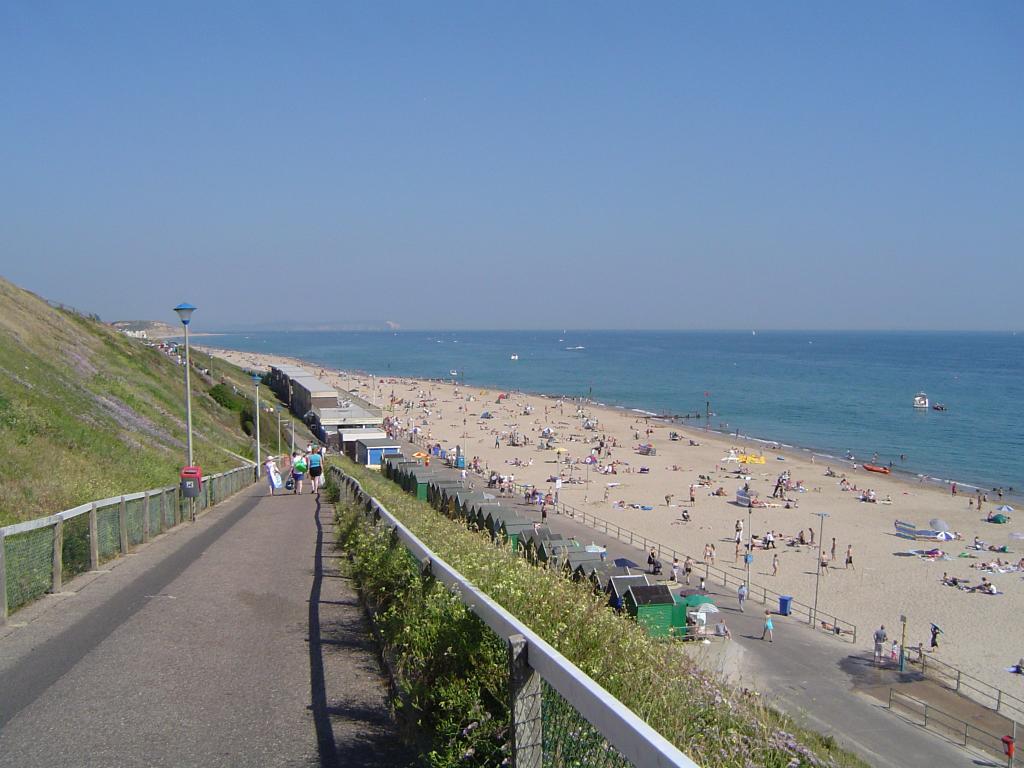
Today, Southbourne is one of Bournemouth’s most desirable coastal neighbourhoods. Southbourne Grove is filled with independent cafés, restaurants and shops, while the clifftop gives way to a quieter stretch of the town’s famous sandy coastline.
Look beyond that modern lifestyle, however, and we find failed pig farms, ambitious Victorian developers, eccentric aristocrats and pioneering flying machines. Southbourne’s history is anything but predictable.
It is difficult to imagine Southbourne’s sought-after clifftop land covered in pigsties, but that was reportedly the scene before the neighbourhood began to take shape.
The land once belonged to Tuckton Farm, where an attempt was made to establish a pig-breeding business during the 19th century. The venture was unsuccessful, and the remains of its unusually substantial pigsties were apparently still standing when local doctor Thomas Armetriding Compton acquired the land in 1871.
Compton recognised that its elevated coastal position offered much more promising possibilities. At a time when sea air and coastal living were enthusiastically promoted for their supposed health benefits, he began transforming the former farmland into a new seaside resort.
The Southbourne-on-Sea Freehold Land Company followed in 1882, with Compton as its principal shareholder. Roads, homes and visitor facilities gradually appeared, establishing the foundations of the Southbourne we know today.
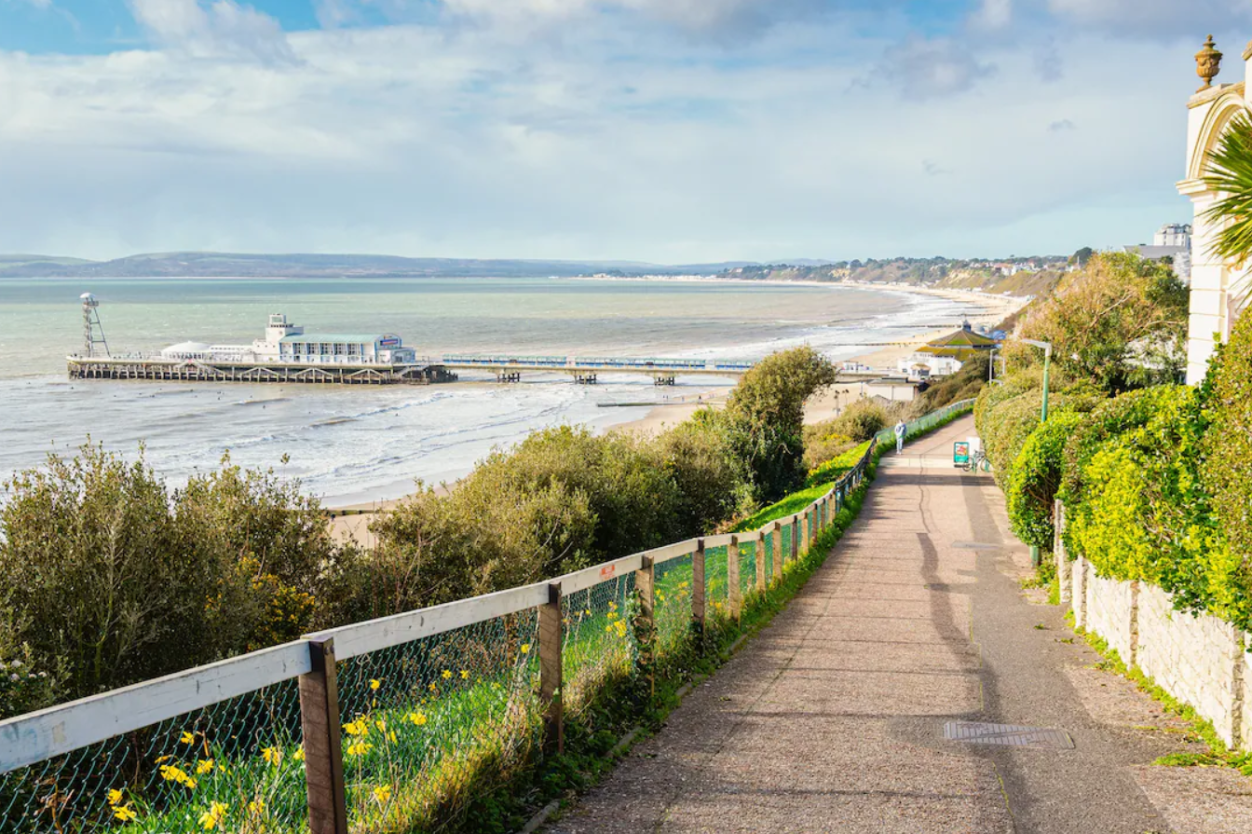
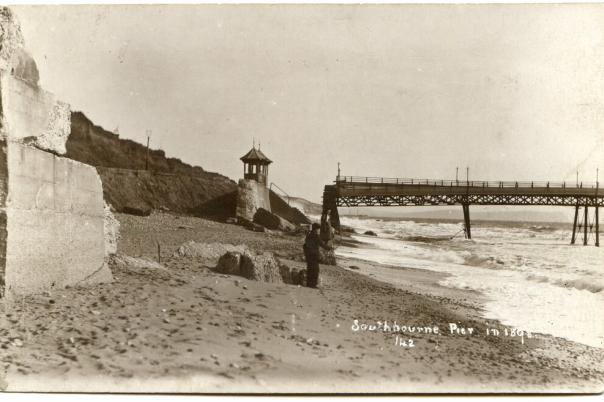
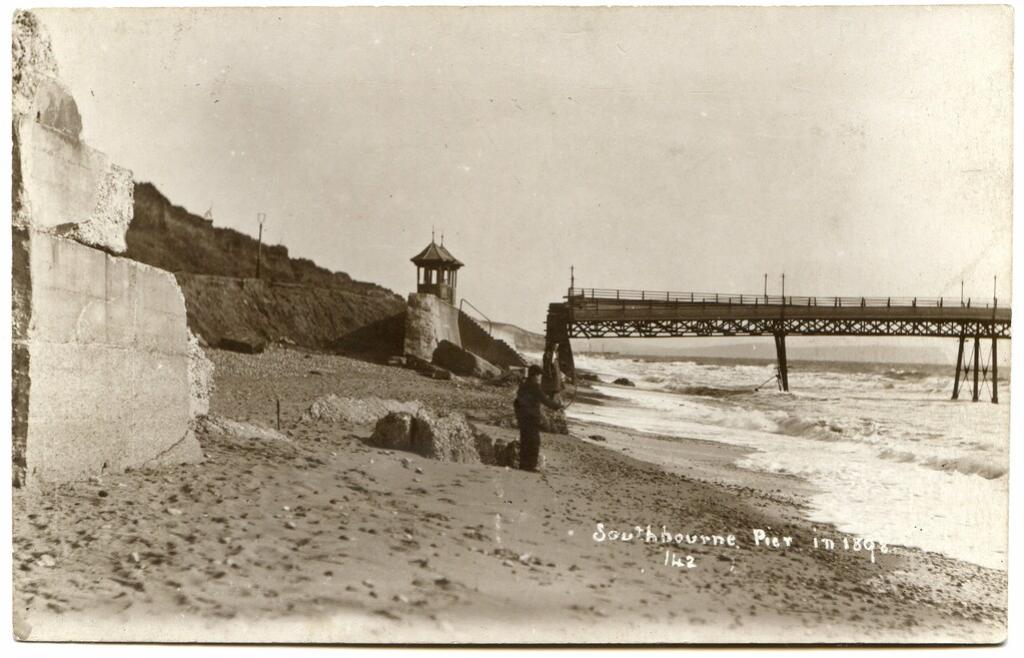
Bournemouth was not the only local resort with a pier. In 1888, Southbourne unveiled a 300-foot structure of its own as part of its attempt to become a fully fledged Victorian seaside destination.
Costing approximately £4,000 to build, Southbourne Pier officially opened on 2 August 1888. Just four days later, regular sailings began between Southbourne and Bournemouth, allowing visitors to travel between the two resorts by sea.
Its life was remarkably brief. Two severe storms, arriving on 28 December 1900 and 3 January 1901, caused extensive damage to the pier, promenade and sea wall. Bournemouth Corporation declined the opportunity to purchase it, and the deteriorating structure was eventually demolished on safety grounds in 1909.
Nothing obvious remains today, leaving thousands of people to walk along Southbourne Beach without realising that a Victorian pier once reached out into the water before them.
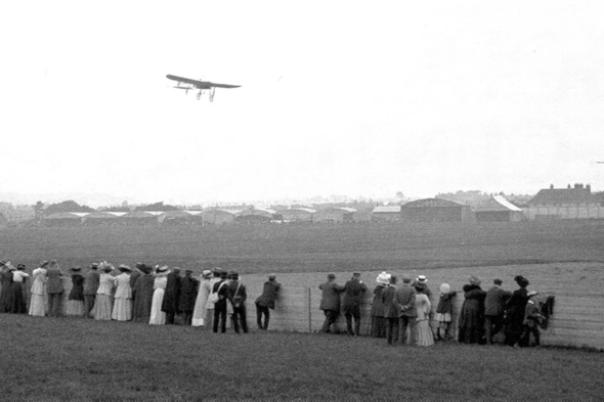
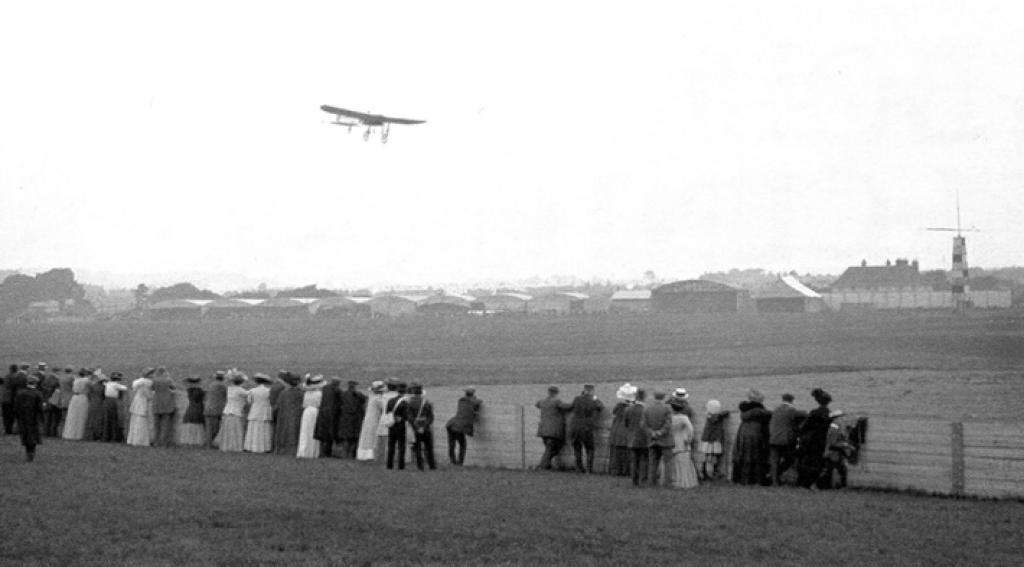
Long before the Bournemouth Air Festival brought aircraft to the town’s seafront, crowds gathered near Southbourne to witness some of the earliest pilots and flying machines in action.
The Bournemouth International Aviation Meeting opened in July 1910 on a temporary aerodrome laid out across grassland between Tuckton and Hengistbury Head. Competitors took part in speed, altitude and precision-landing challenges at a time when powered flight was still dangerously new.
Among the pilots was Charles Stewart Rolls, co-founder of Rolls-Royce and already a celebrated motoring and aviation pioneer. On 12 July, the tail of his Wright Flyer broke apart during a flying display, causing the aircraft to crash.
Rolls became the first British person to die in an accident involving a powered aircraft. A memorial plaque now marks the crash site on the sports ground of St Peter’s School, a quiet reminder of Southbourne’s place in British aviation history.
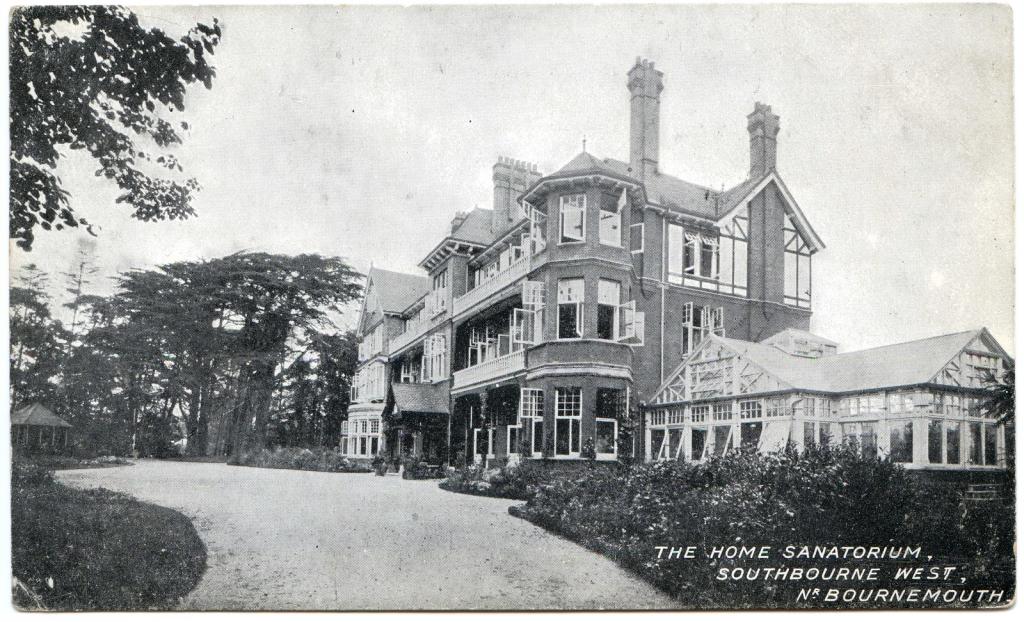
Hidden at Douglas Mews are the surviving steps and portico of a house with a particularly colourful former resident.
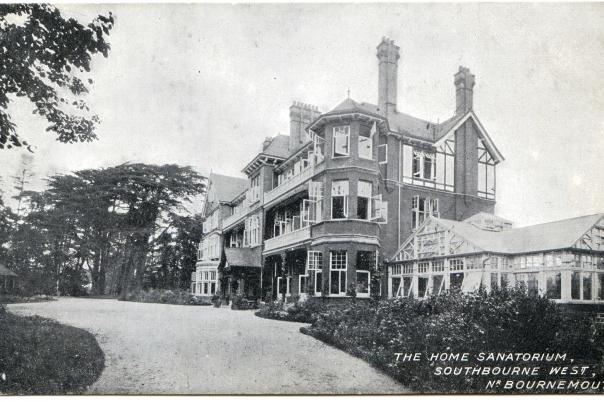
Stourfield House was constructed in the 18th century on high ground overlooking the Stour Valley and Christchurch Harbour. It later became home to Mary Eleanor Bowes, Countess of Strathmore and Kinghorne, an ancestor of Queen Elizabeth The Queen Mother.
The wealthy countess had endured an extraordinary life, including an infamously abusive second marriage and a sensational divorce case. During her later years at Stourfield House, she reportedly withdrew from society and devoted much of her time to her numerous pets. Local accounts claim her dogs were served hot meals and given places at the dining table.
Stourfield House was later used to care for injured servicemen before being demolished during the 1990s. Its original entrance steps and portico were preserved, accompanied by a blue plaque explaining their connection to the countess.
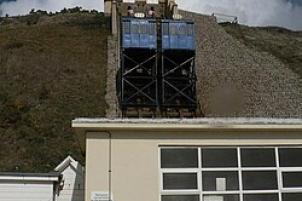
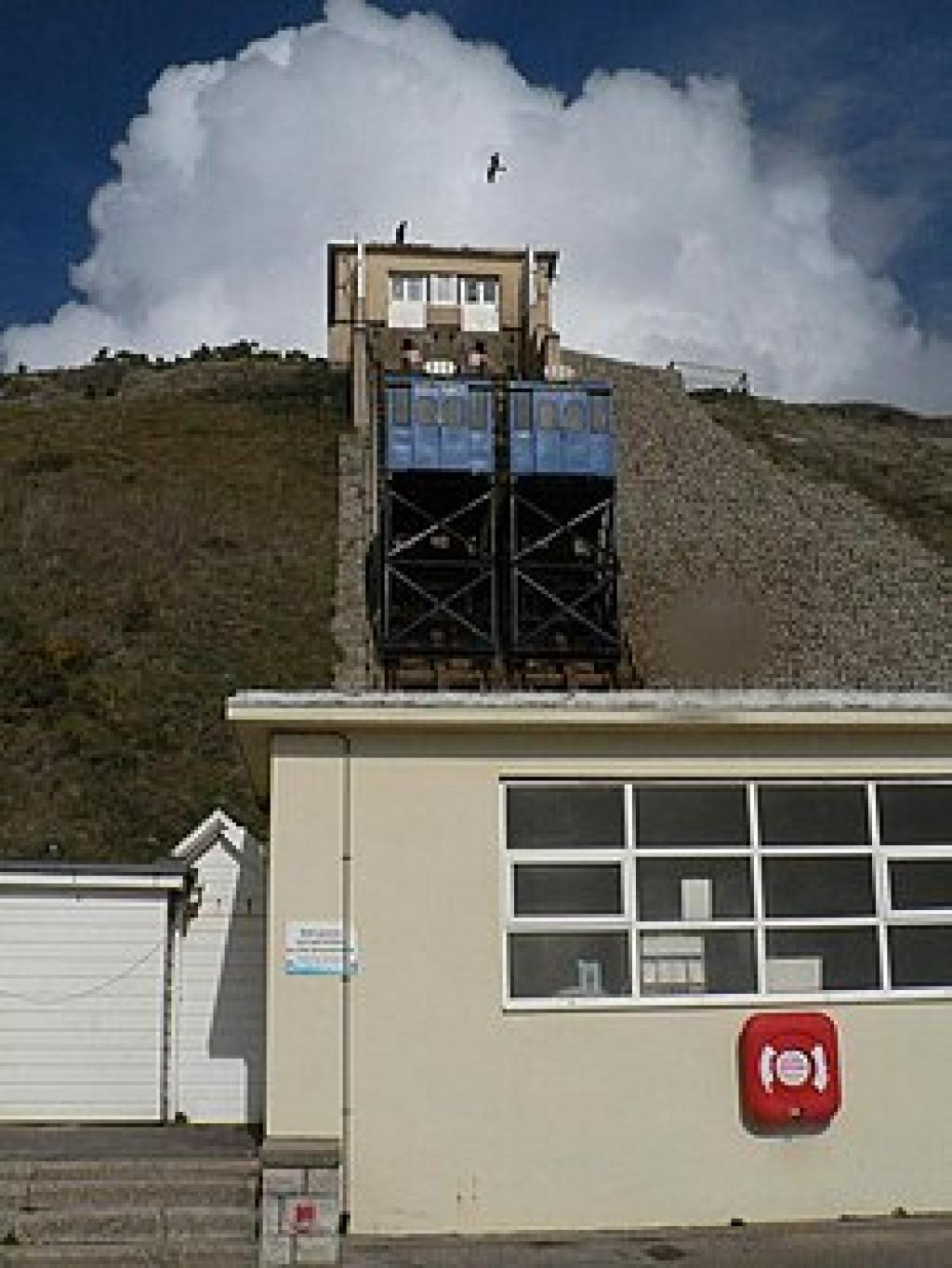
The Fisherman’s Walk Cliff Lift might look like a simple way of avoiding the climb between the beach and clifftop, but it is officially something more unusual.
Constructed in 1935, the lift’s carriages travel along rails as they climb and descend the steep slope. This means the attraction is technically classed as a light railway, making a journey aboard it one of the shortest and most unusual railway trips we can take in Dorset.
The lift was designed to connect Fisherman’s Walk and the surrounding neighbourhood with the beach below. Nearly a century later, it remains a distinctive piece of Southbourne’s seaside heritage and offers elevated views along the coast.


 Spanish
 Chinese (simplified)
 Dutch
Dutch French
 German
 Italian
 Norwegian
 Polish
 Romanian
 Russian