Discover the well-established independent businesses that have shaped Southbourne for decades. From iconic family-run shops to trusted local favourites, explore the businesses that helped create one of Bournemouth’s most vibrant and distinctive high streets.
24th October 2026
Southbourne Businesses | History of Southbourne Grove | Dorset Lifestyle
Southbourne Grove may now be known for speciality coffee, creative cooking and stylish independent shops, but its success did not appear overnight.
Long before Southbourne became one of Bournemouth’s most fashionable places to eat and spend a Saturday afternoon, a collection of determined local businesses was already giving people reasons to visit the high street.
Very few of the Grove’s original Victorian traders remain. Even Woolworths, which opened here in 1935 and traded for 73 years, closed in 2008. Its former building is now occupied by Ludo Lounge. However, several surviving businesses helped to create the modern Southbourne Grove - and continue to influence its character today.
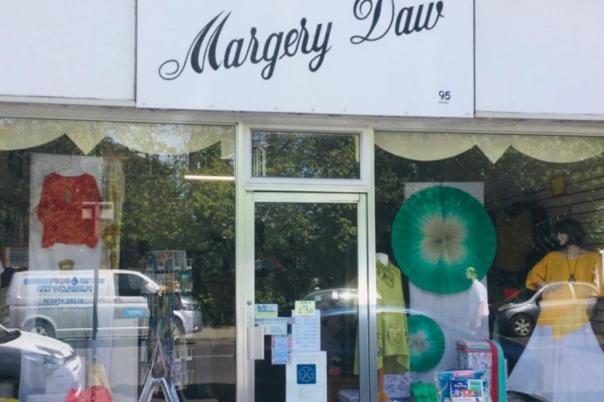
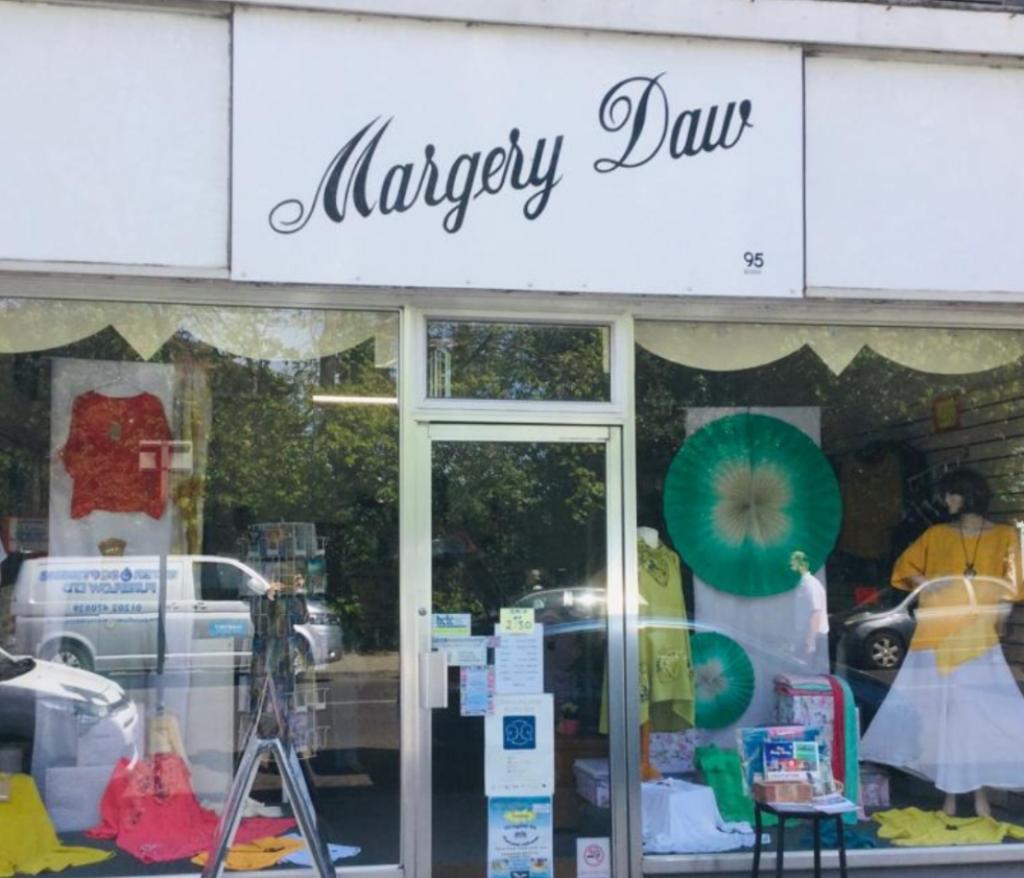
For a genuine link to Southbourne’s post-war high street, it is difficult to look beyond Margery Daw.
The ladies’ fashion and lingerie shop at 95 Southbourne Grove was established in 1947, making it considerably older than the independent food and drink scene that now surrounds it.
Its longevity tells us something important about the way local shopping once worked. Before out-of-town retail parks and online ordering, people relied on neighbourhood specialists where advice, personal service and product knowledge mattered.
Margery Daw belongs to that tradition. Its presence is a reminder that Southbourne Grove was serving local families for generations before it began appearing in guides to Bournemouth’s coolest neighbourhoods.
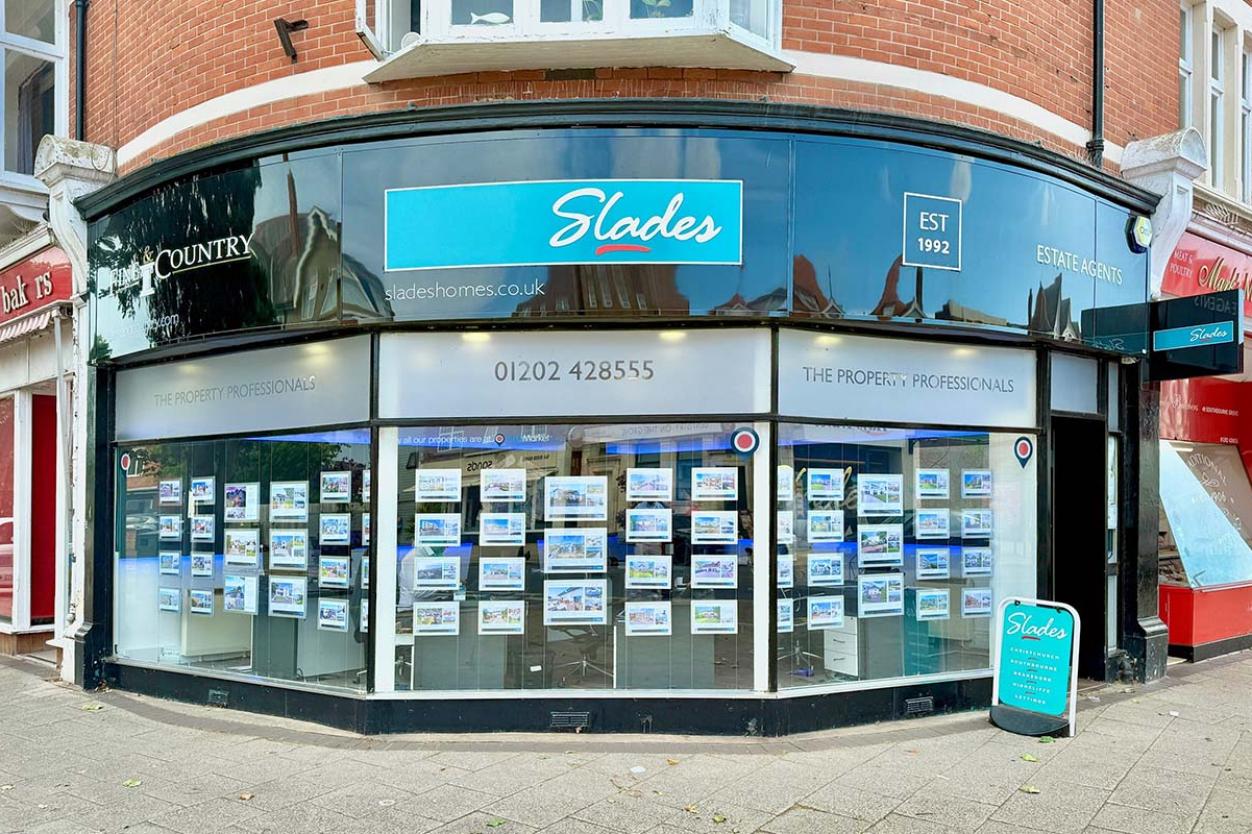
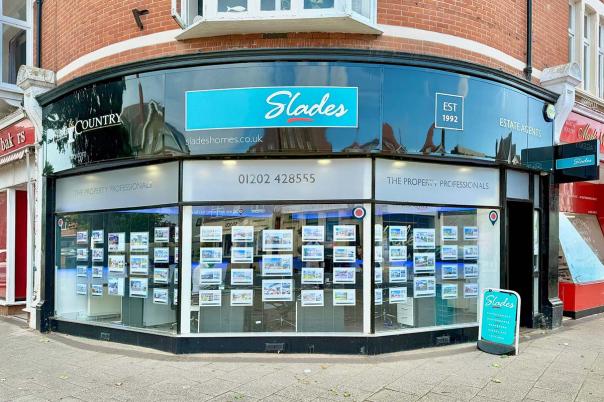
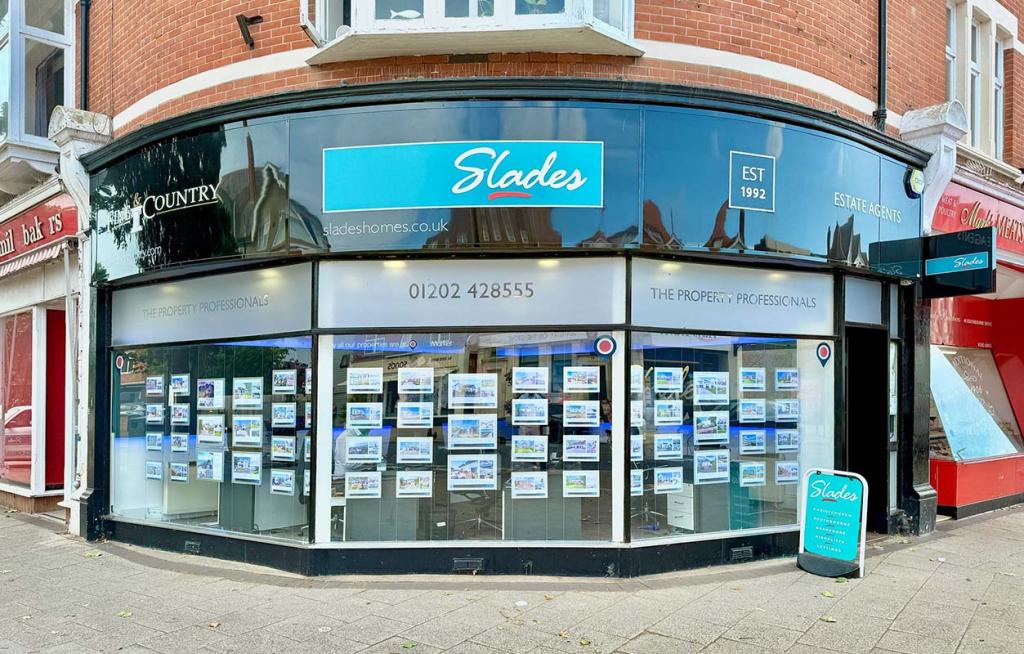
Slades Estate Agents was founded in Christchurch in 1992 before opening its Southbourne sales office in 2000. A specialist lettings office followed in 2007 as demand in the area continued to grow.
That timing is significant. Slades arrived before Southbourne’s recent transformation into a destination for restaurants and independent shopping, giving its team a front-row view of the area’s changing fortunes.
As more buyers discovered Southbourne’s combination of characterful homes, independent shops and access to the coast, the high street became part of the neighbourhood’s appeal. An estate agency might not sound like a traditional high-street anchor, but businesses such as Slades help connect people to the area for the long term.
Its continued presence also reflects Southbourne Grove’s ability to support practical services alongside cafés, boutiques and places to socialise.
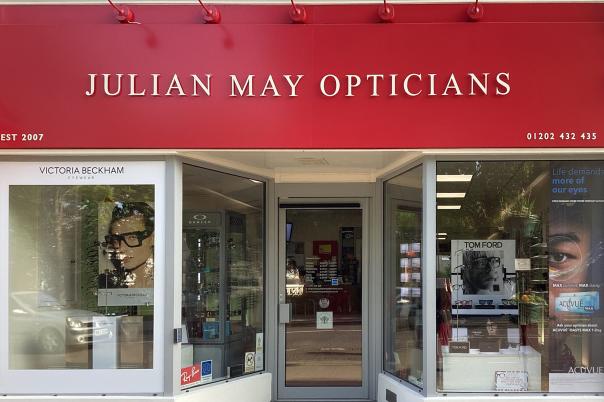
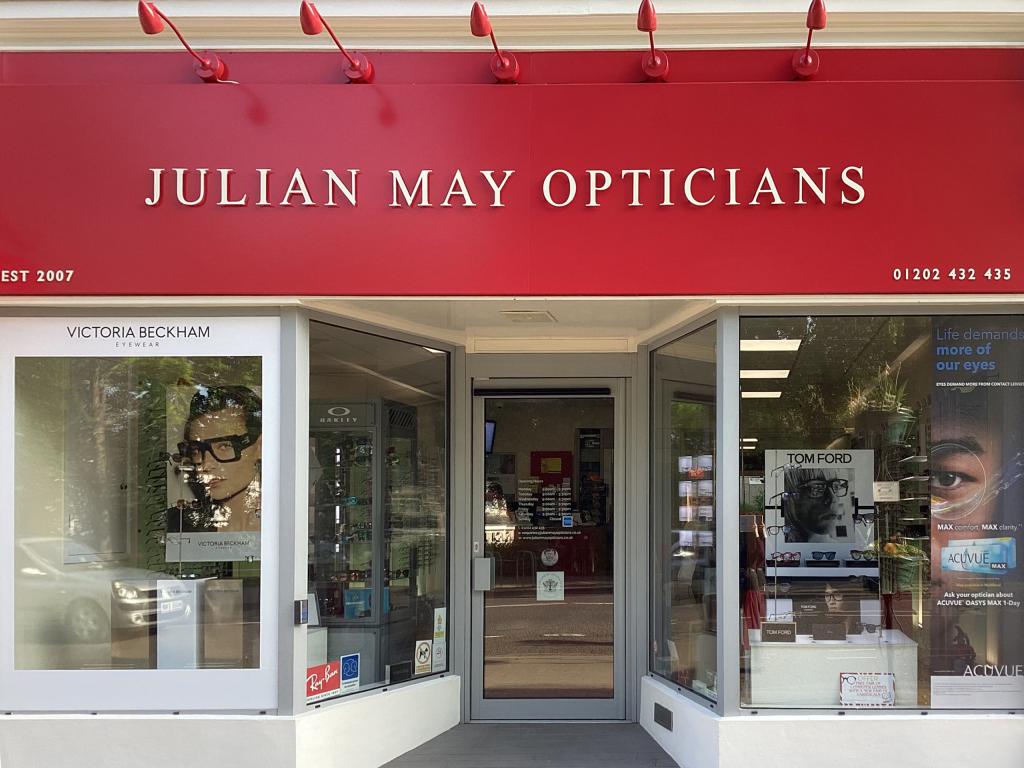
Established by Julian and Jane May in June 2007, Julian May Opticians brought an independent optical practice to 101 Southbourne Grove.
It opened at a time when specialist high-street services across Britain were increasingly being replaced by national chains or moved into larger shopping centres. Southbourne retained something more personal: an optician where appointments, fittings and ongoing eye care could all take place within the neighbourhood.
The practice has since expanded to include additional optometrists, dispensing opticians and a contact-lens specialist. Its staying power demonstrates why a strong high street needs more than attractive places to eat. It also needs businesses that residents can depend upon throughout the year.
When Alison Dewey established Sugar Mango in 2008, Southbourne Grove had not yet developed its current reputation as an independent shopping destination.
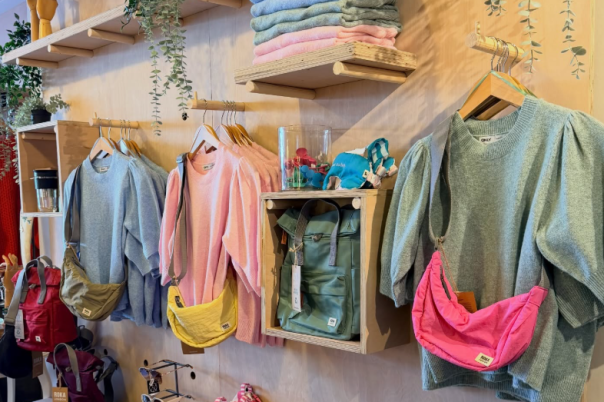
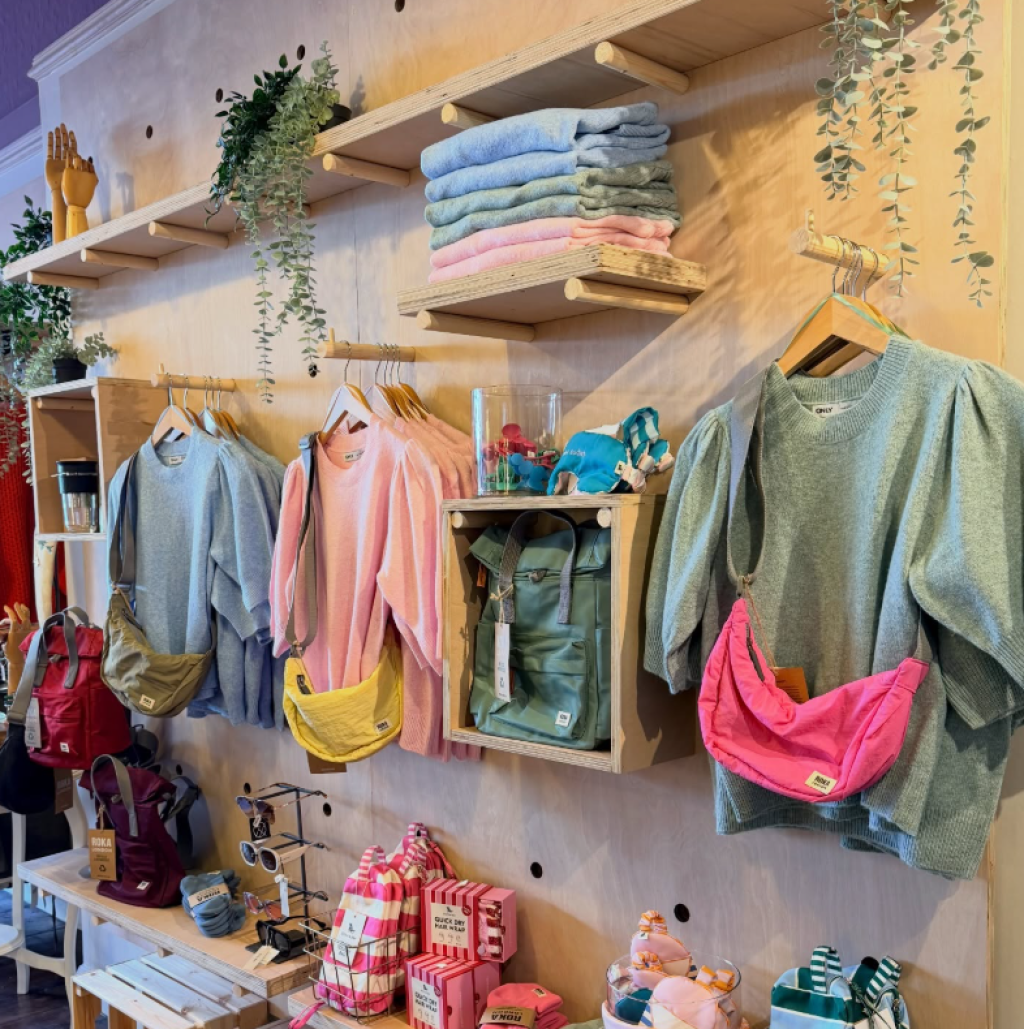
Her background as a professional photographer helped shape a boutique filled with colour, texture and personality. The shop became known for women’s clothing, footwear, jewellery, bags and lifestyle gifts, including pieces from smaller and independent brands.
Sugar Mango helped show that local retail could be distinctive rather than predictable. Its bright “urban beach” identity also suited Southbourne perfectly, bringing together relaxed coastal living and the individuality of a neighbourhood boutique.
Today, its mix of fashion and gifts feels completely at home on the Grove. In 2008, however, opening a strongly individual shop here represented a greater leap of faith - and helped establish the independent retail culture that newer businesses now benefit from.
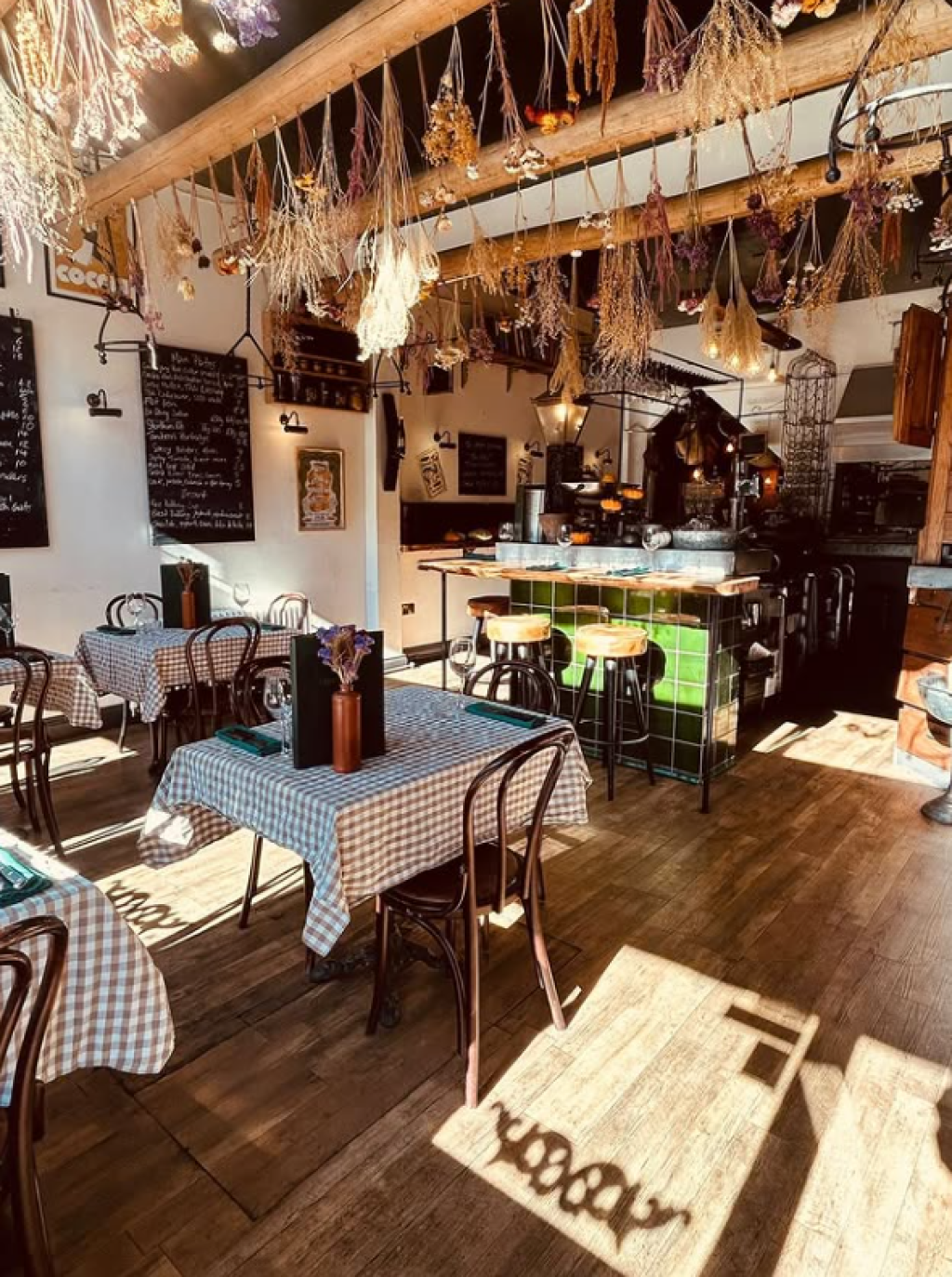
If one business captures the beginning of Southbourne’s modern food-led revival, it is The Larder House.
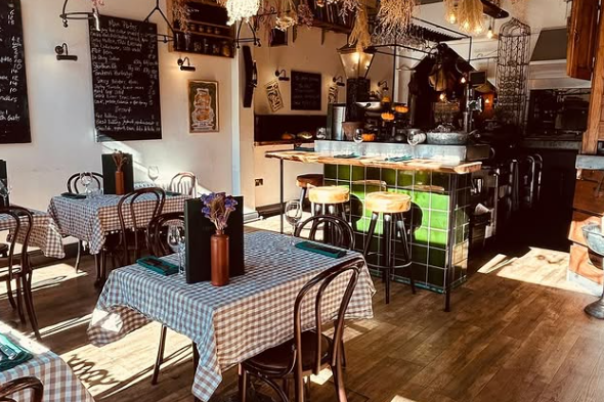
Chef and founder James Fowler opened the restaurant in 2011, focusing on carefully sourced ingredients, artisan produce and cooking over fire. Its wood-fired oven and ambitious menus offered something more individual than the familiar high-street restaurant formula.
The restaurant demonstrated that diners would travel to Southbourne for a distinctive experience. It later inspired Parlourmentary, a neighbouring cheese, charcuterie and provisions shop that grew from The Larder House’s popular cheeseboards.
The Larder House did not build Southbourne Grove alone, but it helped change how people viewed it: not simply as a useful local shopping street, but as somewhere worth making a special journey to visit.
Southbourne’s high street continues to evolve, and that is part of its appeal. Yet beneath the new openings sits a foundation created by businesses willing to invest in the neighbourhood before it became fashionable.
From a fashion shop established in 1947 to the restaurant that helped ignite its modern dining scene, these businesses prove that Southbourne Grove’s greatest strength has always been its independents.


 Spanish
 Chinese (simplified)
 Dutch
Dutch French
 German
 Italian
 Norwegian
 Polish
 Romanian
 Russian